self-realisation
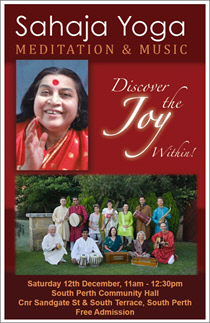 Discover the Joy Within
You are invited to this unique meditation and music event to Discover the Joy Within through true meditation.
Enjoy the powerful rhythms and unique fusion of East and West music performed by the energetic Sahaja Yoga Meditation Group. Treat yourself to an enlightening and entertaining music event.
During this program you will feel the state of true meditation (‘thoughtless awareness’) through Self Realisation and also enjoy music which expresses the bubbling joy that comes from this profound state of peace.
Event details
Saturday 12th December, 2015
11am to 12.30pm
South Perth Community Hall
Cnr Sandgate St & South Terrace
South Perth
Google Map
Cost: This is a FREE event, which is suitable for complete beginners. It is provided free by an experienced team of volunteers, as a non-profit community service.
Bookings: To reserve your seat please phone 0409 882 132.
More about Self Realisation
When awakened, the Kundalini energy rises through the subtle system and opens the Sahasrara Chakra in the limbic area. A person’s sympathetic and parasympathetic nervous systems become relaxed and balanced, producing a natural state of meditation marked by thoughtless awareness, alertness and a profound sense of peace within, which leads to the harmonious integration of the individual’s emotional, physical and mental aspects.
Hope to see you there.
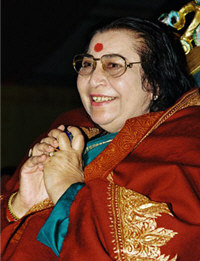 When you get your Self-realisation, you become the Spirit. And your attention is enlightened by that spirit. You become a witness of the whole world like a drama. This enlightened attention is a very powerful means of spreading divine vibrations. You see eyes of such person becomes innocent, absolutely innocent. We have to know that there is one thing that is our innocence which never destroy. It is covered with clouds … but never destroyed. And you regain that back your innocent state within yourself. At the same time you are so dynamic but you become extremely compassionate. You don’t have fears, You don’t have any grudges, you are absolutely floating in the beautiful atmosphere of truth. … Then the greatest thing that happens to you is that you jump into the ocean of joy. Now joy … it is not like happiness or unhappiness. When your ego is pampered, you are happy; when it is punctured, you are unhappy. But the joy …. It is a state which is to be experienced. And you start using your vibrations and raising the Kundalini of others, because this power you get. From the first stage of thoughtless awareness, you jump into another state called as doubtless awareness. And a tremendous transformation takes place.
Shri Mataji, Basel, Switzerland, 1994
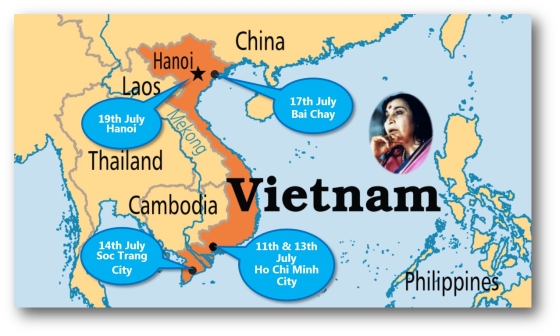 The Realise Vietnam Tour, conducted by Sahaja Yoga, will take place in July 2014.
The Vietnamese Sahaja Yoga collective, along with the Australian “Music of Joy” music group, will participate in a tour of Vietnam.
Programs will be held in various locations around Vietnam.
Vietnam Tour 2014 Program Itinerary
____________________________________________________________
July 11th 6:00pm Schools Program
Schools in District 12, HCMC
Lot 14, Quang Trung Software City, Dist 12, HCMC, Vietnam
July 13th 9:00am , Public Program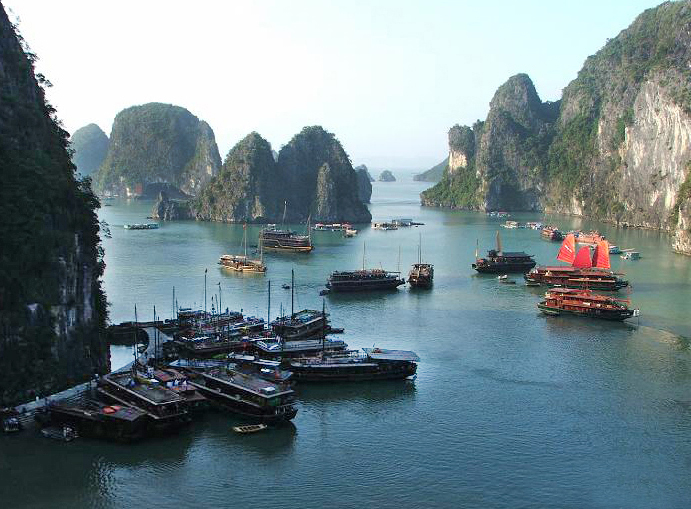
GRAND HOTEL SAIGON 4th Floor
08 Dong Khoi Street
District 1, Ho Chi Minh City, Viet Nam
Telephone: (84 8) 3915.5555
July 14th 6:00pm, Soc Trang School
Hamlet no 5, Ward 6, Soc Trang Province, Soc Trang
July 17th 7:00pm, Public Program
Grand Halong Hotel
Halong Plaza Hotel, 8 Halong Rd, Halong City, Vietnam
Phone:+84 33844044
July 19th 6:00pm Public program
Ha Noi Crowne Plaza
36 Le Duc Street
Mai Dinh district Ha Noi
July 19th 6pm, Public Program
Crowne Plaza West Hanoi
36 Le Duc Tho Street, My Dinh Commune,
Tu Liem District, Hanoi, Vietnam
Phone:+84 4 6270 6688
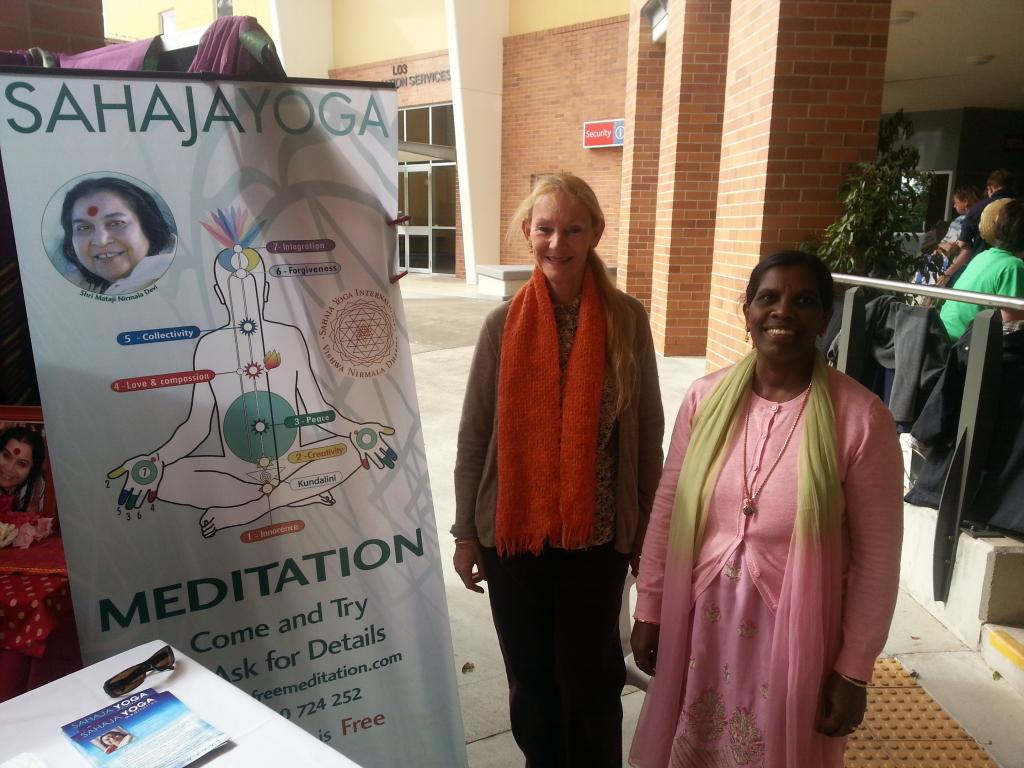 Sahaja Yoga Meditation had a lovely and successful day at the Logan Eco Action Festival (LEAF) at the Griffith University, Logan on 8 June 2014. The Brisbane Sahaja yogis arrived early to set up the stall, decorating the backdrop with colourful saris and receiving many compliments from patrons about the beauty of the stall.
There was a steady stream of people all day, with yogis talking to people and handing out information. Some people had come to Sahaja Yoga many years ago and were surprised that we were here. One lady had previously received her Self-realisation in China.
One young school girl took lots of pamphlets and information and said she would do an essay on Sahaja Yoga for her school.
A young woman from Brisbane said she would go to the Sahaja Yoga young people’s program in New Farm park on the following Sunday.
There wasn’t enough space for giving Self-realisation, but many people listened intently to explanations about the fundamentals of Sahaja Yoga Meditation, and received details about Sahaja Yoga programs in the Brisbane area.
All in all, it was a wonderful day with the vibrations flowing, thanks to Shri Mataji’s generosity and love.
Story: Coralie Jessop
Photograph: Rupesh Lal